Q: We are considering the installation of bar coding systems at our facilities. We will use the system for cycle counting, receiving and issues. Most of our sites are on board with the installation of bar coding system, except for one of our sites. They do not think the system
How To Manage Stock Out Risk
[grwebform url=”https://app.getresponse.com/view_webform_v2.js?u=uY&webforms_id=14719202″ css=”on” center=”off” center_margin=”200″/] When I review inventory holding levels with people and I ask ‘why is the maximum setting so high?’, almost invariably the reply is, ‘because that item is critical to our operation’. However, this response, while well meaning, highlights one of he major problems (in my opinion) of spare parts inventory
Why You SHOULD Run Your Warehouse Like Wal-Mart
[grwebform url=”https://app.getresponse.com/view_webform_v2.js?u=uY&webforms_id=14719202″ css=”on” center=”off” center_margin=”200″/] A couple of weeks ago I was running a three-day inventory management and review training course in Singapore when one of the attendees made a familiar statement. He said ‘if we left this all up to maintenance they would want to stock everything like they are at Wal-Mart’. As I
How to Manage Rotable and Repairable Spare Parts
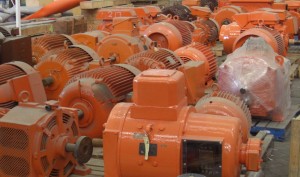
The management of rotable items and repairable spare parts is different to the management of other inventory items and proper control requires greater cooperation between maintenance and stores/inventory management. The successful management of these items is far more active than other spare parts as maintenance and store/inventory personnel
How Storeroom Security Puts Reliability at Risk
Many companies are fully aware of the importance of maintaining security around their spare parts inventories. They secure their spares in lock-up areas, ensure staff are on hand to manage the high levels of spares requests during the day shift period of highest maintenance activity, and provide a rock solid
Eliminating Spare Parts Stock Outs
One of the main fears of most reliability and maintenance engineers is that, at the time of actual need, the required spare part will not be available. This is commonly referred to as a stock out. Thus the goal of many reliability and maintenance engineers is to eliminate spare parts
18 Tips for a More Efficient and Effective Stock Take
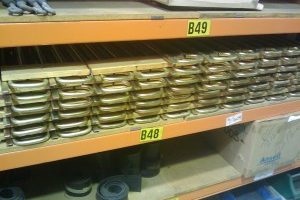
A stock take can be an administrative nightmare or they can be efficient and effective. It all depends on how they are set up and organized. There are three key steps for an efficient stock take and they must each be given an appropriate degree of
Some Cold, Hard Facts About Stock Takes
One of the key functions that must be carried out with all inventory management is a periodic reconciliation between actual stock holdings and the holdings according to the accounting system. This reconciliation is a requirement of financial management and accounting standards and the primary intent is
The Spare Parts Storeroom – More Than Just Transactions
Many people view the spare parts storeroom as being a purely transactional environment. That the function of the storeroom is to administer the transactions associated with receiving and issuing materials and spare parts. But if we really want the spare parts to be maintained so that they will perform as
Managing Slow Moving Inventory

Is Slow Moving Inventory Really An Easy Target for Inventory Reduction? Inventory that is slow moving is often seen as an easy target for people undertaking an inventory review. Rather than undertake a structured review process (such as the Inventory Cash Release Process) many people will target slow moving