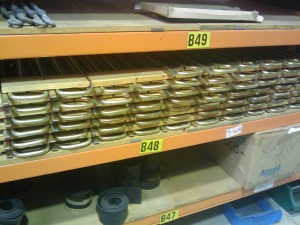
 A stock take can be an administrative nightmare or they can be efficient and effective.
It all depends on how they are set up and organized.
There are three key steps for an efficient stock take and they must each be given an appropriate degree of attention.
For each of these steps the following are observations of some points that can be easily overlooked but which can have a significant impact on efficiency and effectiveness.
Here are 18 tips for a more efficient and effective stock take.
Step 1: Preparation and Planning
It is important to undertake appropriate preparation and planning. This should include:
- Establishing the priorities – are you merely counting or should the stock take focus on any specific areas or issues?
- Identifying which areas and materials to be included – don’t laugh I have seen stock takes where there were major misunderstandings relating to what and where to count.
- Ensure availability of appropriate Personal Protective Equipment.
- Identify problem materials (for example, hard to count, hard to reach or hazardous material) and resolve the problem by planning ahead how to handle the materials.
- Ensure that participants are familiar with how they are to count problem materials.
- In conjunction with local Supervisors, determine whether to halt or minimize operational activities at any particular location during the stock taking period.
- Determine how to track any movements of materials during a stock take.
- Ensure that cost data is up to date prior to stocktake finalization.
- Ensure that the count team has appropriate training before the stock take.
- Identify who to contact for resolving issues that arise during the stock take.
Step 2: Physical Materials Count
Obviously, this is the step that gets the greatest attention. Here are a few points that can help improve results:
- Appoint a Stock take Supervisor for each location. The Stock take Supervisors are responsible for ensuring that procedures are followed and that a full count is completed in their area.
- Ensure the identification of all deliveries, redundant materials, damaged materials and any returns to the store.
- Ensure that the inventory management system is updated before actually starting the count.
- Take care to correctly identify materials and ensure that the quantities recorded are in the correct unit of measurement.
- Mark material counted to ensure it is only counted once. This also helps identify items that counters miss.
- Include an independent observer to make random checks of physical counts. The proportion of items checked will be determined by the independent observer based on their initial findings but should be a minimum of 10%.
- Conduct a final tour of the location(s) to ensure that all materials have been counted, all stock count sheets completed and that that the area is ready to be released for normal activity.
Step 3: Stock Take Finalization
Finalization involves entering the count data, checking and resolving inconsistencies, gaining approval for variances or write downs, updating cost data and finally closing off the stock take. However, there is one more important task:
- Following any stock take the count procedures should be reviewed to determine how they may be modified to improve the next count. The best time to make adjustments to the next stock take’s instructions is immediately after the current count is completed.
Stock takes and cycle counts can be seen as a necessary evil but a little extra care and attention can make them both effective and efficient.
Click here for information on our Practitioner Playbook.
Posted by: Phillip Slater