Spare Parts Know How

Spare Parts Inventory Management Training

  • Log-In
  • Individual
    • Practitioner Toolkit
    • Open Access
    • Compare Options
  • Organization/Team
    • Foundations for Teams
    • Enterprise Access
    • Foundations Playbook
    • Operations Playbook
    • Compare Options
  • Targeted Improvement Programs
    • Capability Programs
    • Advisory Support
    • Inventory Optimization Software
    • Data Management Services
  • Resources
    • The Spare Parts Decision Framework
    • Spare Parts Capability Playbooks
    • Roadmap for Spare Parts Decision Capability
    • Site Capability Assessment
    • Spare Parts Management Checklists
    • Obsolescence Risk Calculator
    • Criticality Assessment Tool
    • ROP/ROQ Calculator
    • Last Time Buy Calculator
    • Books
    • Practitioner Playbook Digital Library
  • Contact
  • About
    • Past and Current Users
    • Testimonials
    • FAQs
    • Phillip Slater

Options for Excess and Obsolete Spare Parts

August 6 Phillip Slater

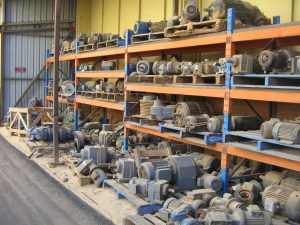
Obsolete Spare PartsWhat are your options for dealing with excess or obsolete spare parts inventory?

Typically there are four:

1. Do nothing
2. Write off and dump
3. Utilize at another site/location
4. Sell


This article is part of our Open Access level.To see other levels view our Capability Framework. CLICK HERE


Option 1 achieves nothing, except setting a poor example on what the company expects of management. This approach says, ‘if there is a problem, ignore it and eventually someone else might deal with it.’

Option 2 takes some effort, will involve costs for disposal, and, due to the write down, is generally not popular with senior finance people – unless the company is already losing money!

Option 3 is usually the best because it saves the company from spending money on buying items already owned. It does require some organization and protocols. It also requires you to have other sites that use the parts and a standardized approach to numbering and description. Not possible for many companies.

Option 4 also requires some effort but also brings some reward in terms of revenue. OK, it’s not likely to be anywhere near what you paid but, hey, if it brings in more than it costs to organize that’s an economic win!

 
Our Obsolescence Risk Calculator can provide guidance on where risks might exist and where further investigation or planning may be needed.


Click here for information on our Practitioner Playbook.


Posted by Phillip Slater

Obsolescence

Practitioner Toolkit

Designed for professionals responsible for spare parts inventory management, the Toolkit combines calculators, decision tools, checklists, policy templates, specialist reports, and structured learning resources.
Learn more...

Team Alignment and Capability

Guided by our Foundations Playbook this facilitated online program helps your people develop common decision-making principles, understand their respective roles, and establish a stronger foundation for improving spare parts inventory performance. Explore Foundations for Teams...

Targeted Improvement Programs

A Targeted Improvement Program is a scoped program of work designed around the organization’s specific objectives. This may include inventory optimization, policy development, global standardization, or other operational goals. Explore Capability Programs...

Latest Blog Posts

  • Digital Spare Parts Inventory: What It Is and What It Is Not
  • Why Spare Parts Inventory Optimization Doesn’t Stick
  • AI Spare Parts Technology Won’t Fix Weak Decisions
  • Twenty-Five Years of Better Spare Parts Decisions
  • The Cost of Inconsistent Spare Parts Decisions
  • Email
  • LinkedIn
  • YouTube

Copyright © 2026 IPIAIGHT PTY LTD.