
An ABC analysis is an analytical approach to inventory management. The analysis aims to divide the inventory items into categories and then tries to identify the items that are most important. Typically A is more important than B and B is more important than C and so on. The criterion for the division can change […]
Working with Maintenance to Identify Spare Parts Requirements
Without knowing the maturity of your decision making framework and policy settings I can’t give a specific response to a question so here is the generic version. Working together, you and the maintenance team need to understand the maintenance requirements for the equipment and the spare parts implications of this. For example, what is the […]
Safety Stock Definition
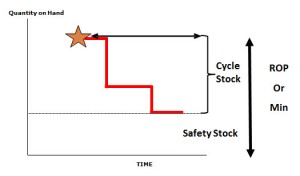
Understanding safety stock is one of the most important attributes of high performing spare parts inventory management. Companies that do not understand this will almost invariably over stock their inventory AND experience excessive stock outs. Here is the definition of safety stock. Safety Stock: Items held as an allowance for mismatches between demand and supply […]
Obsolete Inventory: Your Risk is Greater Than You Think
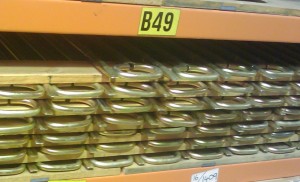
I am sure that you know that risk management is a key aspect of any mature spare parts management process and this is especially so with respect to obsolete inventory. Usually, this takes the form of evaluating the risk associated with a stock out – that is not having a required item available when needed. […]
Excess Inventory: The Real Cost of NOT Reviewing Your Inventory

Excess inventory: What is the real cost of not reviewing your inventory management processes? That’s right I said the cost of NOT reviewing your inventory. Usually when people (me included) raise the topic of the cost of inventory we talk about the financing and management costs of holding inventory. However, with spare parts many people […]
Why Spare Parts Management Goals Are Not Achieved
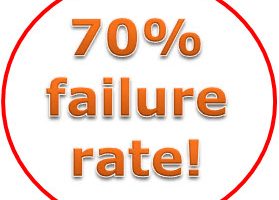
Subject Area: Spare Parts Management Goals Not achieving your spare parts management goals must be just about the most frustrating experience you can have in your job. You work hard to deliver a project but the promised benefits are just not realized. In fact, recently, the highly regarded consulting group McKinsey & Co. released research […]
Who Should Run Your Spare Parts Storeroom?
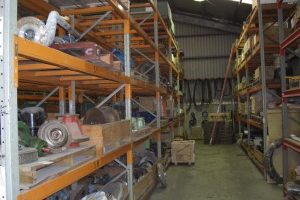
One question that I get asked a lot is: who should run the spare parts storeroom? The question is often asked out of frustration due to a perceived lack of service or frustration borne from overstocking. I suspect that the answer most people seek is that they should run the storeroom because their frustration tells them […]
What are the Benefits of NATO Coding?
Q: What are the Benefits of NATO Coding? A: The benefits of using any standard coding system come from the standardization. This enables easier identification of items for procurement, design, exchange, disposal and so on. The specific economic advantages will be unique to your situation. You can read more on this at http://www.nato.int/structur/ac/135/ncs_guide/english/e_1-4-1.htm (use the […]
How Should We Classify Spare Parts Suppliers and Vendors
Q: How should we classify spare parts suppliers and vendors A: My suggestion is that you classify suppliers/vendors of spare parts on a combination of spare part criticality and vendor exclusivity. So, if you have a critical spare part from a vendor that is the sole supplier of that part then they will be a […]
How to Manage the Shelf Life of Spare Parts?
Q: Can you please explain the issues around the shelf life of Spare Parts? A: Shelf life is specifically related to the spare part and its storage – there is no one-size-fits-all answer. For example, bearing suppliers will typically advise that bearings will only be reliable for up to 5 years if stored on their […]